This guide explains a practical layout for a 200 TPH crusher plant. It covers process flow, equipment selection, and layout tips. We also link the design to crushing mobile plant choices, crusher machine for mining needs, and the function of a cone crusher. The goal is simple. We want reliable output, clear sizing, and easy operation.
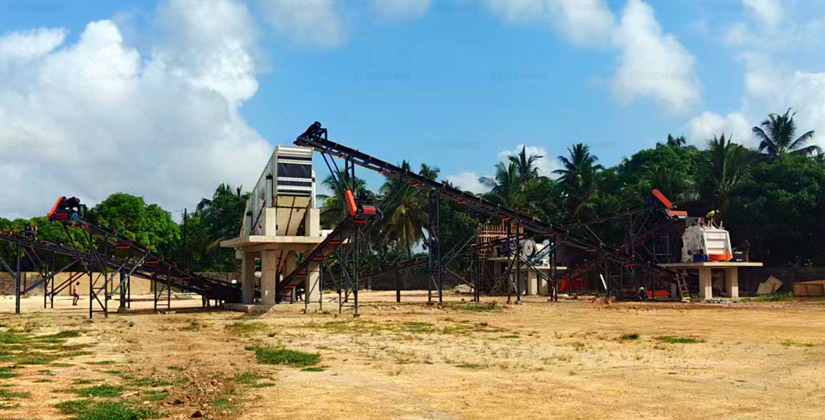
Understanding the 200 TPH Target
A 200 TPH plant must handle peak loads without bottlenecks. First, define the input. Know the maximum feed size and the target gradation. For hard rock like granite, expect higher wear. Soft rock like limestone allows more shaping options. Next, plan for surge capacity. Use hoppers and bins to absorb load changes. Also, plan for maintenance. Leave space for walkways and crane access. Finally, plan dust control early. This keeps the site compliant and safe.
Process Flow and Equipment Selection
A closed circuit suits most 200 TPH plants. Start with a primary jaw crusher for big reduction. Then add a secondary stage. Choose a cone crusher for hard, abrasive rock. Use an impact crusher when you want more shape. After crushing, use a vibrating screen with 3 or 4 decks. Size the decks for 0–5 mm, 5–10 mm, 10–20 mm, 20–30 mm fractions. Fit a return conveyor for oversize recycle. Feed the crushers with a vibrating feeder. Control the feed rate to protect belts and crushers. Power the conveyors with 650–800 mm belts for this scale. Add a magnetic separator to remove tramp iron. Finally, add a dust suppression system at key transfer points.
Stationary Plant Layout Principles
Place the primary crusher near the feed point. Arrange the screen close to the secondary crusher. Keep conveyors as short and straight as possible. Use a linear or U-shaped layout to reduce travel. Allow room for a service crane near the cone. Provide catwalks and platforms at all transfer points. Slope the ground slightly for drainage. Install belt scrapers and cleaners at each head pulley. Use belt scales for basic feed and production data. Also, plan cable trays and junction boxes above walkways. Keep the control cabin near the screen tower. This improves visibility and response time.
Mobile Crushing Plant Option
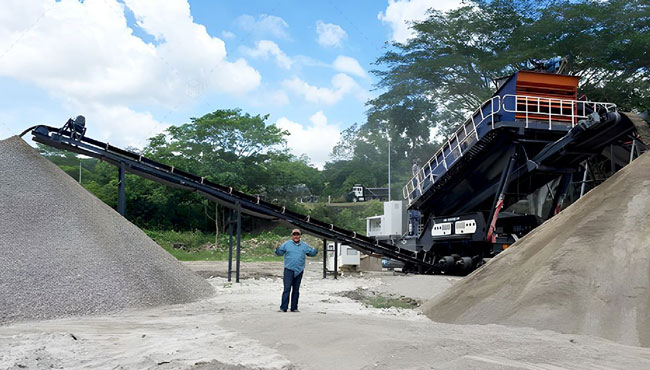
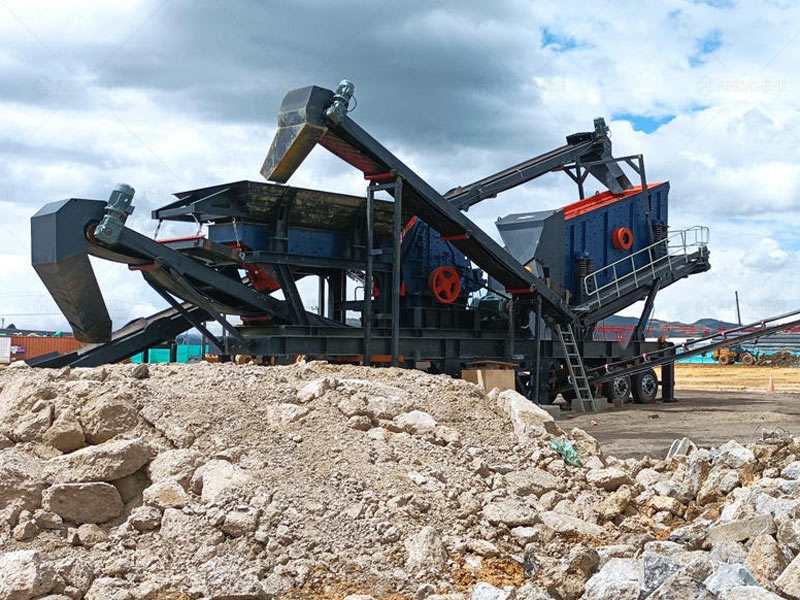
If you need flexibility, consider a crushing mobile plant. A two-chassis mobile unit works well for 200 TPH. The first chassis holds the feeder and primary jaw crusher. The second chassis holds the impact crusher and screen. You can add a third mobile chassis for tertiary shaping or sand making. This layout shortens setup time and eases relocation. It also reduces civil works and site prep. However, mobile plants need careful power and dust planning. Ensure the generator and pumps match the crusher load. Also, plan for fuel storage and refueling access.
Cone Crusher Role and How It Works
In hard rock service, a cone crusher often handles the secondary stage. Then how does a cone crusher work?It uses a gyratory motion to compress and shear rock. The main shaft rotates inside a bowl liner. Eccentric rotation moves the mantle closer and farther from the bowl. This action breaks rock between the mantle and concave. You can adjust the closed side setting for finer control. A hydraulic system maintains clearances and unblocks the crusher. The result is consistent shape and less needle content. For best results, feed the cone evenly. Avoid packing the chamber with wet fines. Also, monitor the power draw and temperature. These signs show if the crusher is overloaded.
Dust, Noise, and Safety Integration
Dust control starts at the source. Use water spray nozzles above belts and transfer points. Add wet suppression to the screen and crusher discharge. Enclose transfer chutes where possible. Line the hopper and skirt boards to reduce spillage. For noise, install acoustic panels on screens and crushers. Keep doors and hatches closed during operation. Provide hearing protection at all posts. For safety, fit emergency stops on all conveyors. Install pull cords along walkways. Use lockout tags during maintenance. Train operators on safe startup and shutdown. Also, post clear signage for PPE and traffic routes.
Operation and Maintenance Practices
Start with a dry run each shift. Check belt tension and alignment. Inspect idlers and bearings for noise or heat. Grease bearings on time using the OEM schedule. Change liners before they cause power spikes. Keep the screen cloth tight and clean. Remove build-up under the grizzly. Calibrate belt scales weekly for accuracy. Also, log production by shift and grade. Review the log to spot trends. Schedule screen changes before peak seasons. Keep spare parts like belts, bearings, and hammers on site. Finally, train the crew on basic troubleshooting. This reduces downtime and improves consistency.
Sizing the Plant Footprint and Conveyors
A 200 TPH plant fits in a modest yard. Expect a length of 150–300 ft and a width of 50–100 ft. The tallest towers may reach 30–50 ft in height. Plan for service access all around the crusher. Leave turning space for belly dump trucks. Size the main conveyors for 650–800 mm belts. Use 45-degree troughing idlers for stability. Install magnetic separators after the primary crusher. Place the control cabin near the screen for visibility. Also, plan stormwater controls at low points. This prevents washouts and belt damage.
Final Recommendations for a 200 TPH Layout
Match the crusher to the rock. Use a jaw first, then a cone for hard rock. Choose an impact when you want more shape. Keep the circuit closed with a screen and return belt. Design conveyors for the target tonnage. Use a linear or U-shaped layout to save space. Plan dust and noise controls from day one. Also, consider a crushing mobile plant if you move often. For mining work, prioritize uptime and wear parts access. Finally, train the team and log performance data. These steps lead to a stable, predictable 200 TPH plant.