In the mining and construction industries, efficient material processing is crucial for the success of any project. A stone crusher plant plays a key role in transforming large rocks into aggregates of suitable size for various applications. For contractors, mining operators, and construction companies across Latin America, investing in a high-quality stone crusher plant can improve productivity, reduce operational costs, and ensure the production of consistent, high-quality materials. This article explores the advantages, main components, and industry impact of stone crusher plants, helping you understand why they are an essential tool for mining and construction projects.
Introduction to Stone Crusher Plants
A stone crusher plant(planta trituradora de piedra) is an industrial facility designed to crush rocks and minerals into smaller, manageable sizes. These plants are essential for producing aggregates used in construction, such as sand, gravel, and crushed stone. The main purpose of a stone crusher plant is to convert large rocks into materials suitable for building roads, bridges, buildings, and other infrastructure projects. In Latin America, where infrastructure development and mining projects are growing rapidly, efficient stone crusher plants are vital for meeting project demands on time and within budget. High efficiency and product quality are key to ensuring materials meet the required specifications for different construction applications.
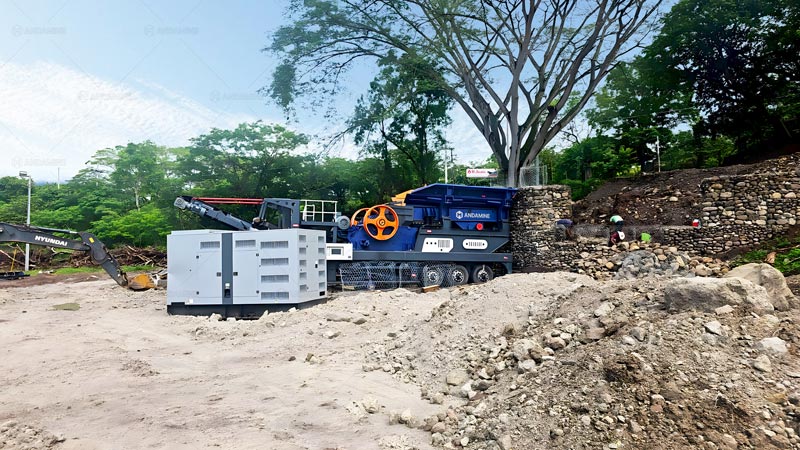
Key Components of a Stone Crusher Plant
1. Jaw Crushers
Jaw crushers serve as the primary stage of crushing. They use two plates, one fixed and one movable, to compress and break rocks into smaller fragments. This type of rock crusher machine is ideal for processing large and hard rocks, efficiently handling high volumes of material. Jaw crushers in a stone crusher plant are essential for initial size reduction, providing uniform output suitable for secondary crushing.
2. Cone Crushers
Cone crushers are used for secondary crushing, reducing the size of material further and producing finer, more uniform particles. They are highly effective for hard and abrasive materials, ensuring a consistent grain shape and high reduction ratio. In an aggregate crusher plant(una planta de agregados), cone crushers improve material quality and ensure suitability for road construction, concrete production, and other critical applications.
3. Vibrating Screens
Vibrating screens are essential for separating crushed material into different sizes. By passing materials through mesh screens of various openings, vibrating screens efficiently classify final products. Adjustable openings allow the production of aggregates that meet precise project specifications, ensuring consistent quality for construction applications.
4. Belt Conveyors
Belt conveyors transport material throughout the stone crusher plant, from the input rocks to the output aggregates. They maintain a continuous material flow between crushing and screening stages, optimizing productivity and minimizing production bottlenecks. Reliable conveyors are crucial for large-scale projects, ensuring steady operation and reducing downtime.
Benefits of a Stone Crusher Plant
A stone crusher plant, including an aggregate crusher plant, offers numerous advantages for mining and construction projects:
1. Operational Efficiency
Stone crusher plants are designed to maximize operational efficiency. By using specialized equipment for each stage of the process, these plants reduce processing time and improve overall productivity. Automation in modern plants further minimizes human errors and ensures uniform output quality, which is particularly valuable for large-scale projects in Latin America.
2. Versatility
These plants can process a wide variety of materials, from hard rocks(máquina trituradora de rocas) to softer minerals, making them suitable for diverse construction projects. Mobile stone crusher plants add flexibility, allowing material to be processed directly on-site, reducing transportation costs and improving project timelines. Contractors can quickly adapt to changing project requirements or material availability.
3. Cost Reduction
Investing in a stone crusher plant allows companies to utilize local materials rather than relying on expensive imported aggregates. This approach reduces material acquisition costs and lowers transportation expenses. Additionally, efficient crushing operations reduce energy consumption and operational costs, providing a better return on investment.
4. Environmental Impact
Stone crusher plants contribute to sustainable resource management by efficiently processing and recycling materials. This reduces the need for new resource extraction and minimizes environmental impacts associated with mining. Modern plants are equipped with technologies that reduce dust, lower emissions, and enhance energy efficiency, promoting environmentally responsible construction practices.
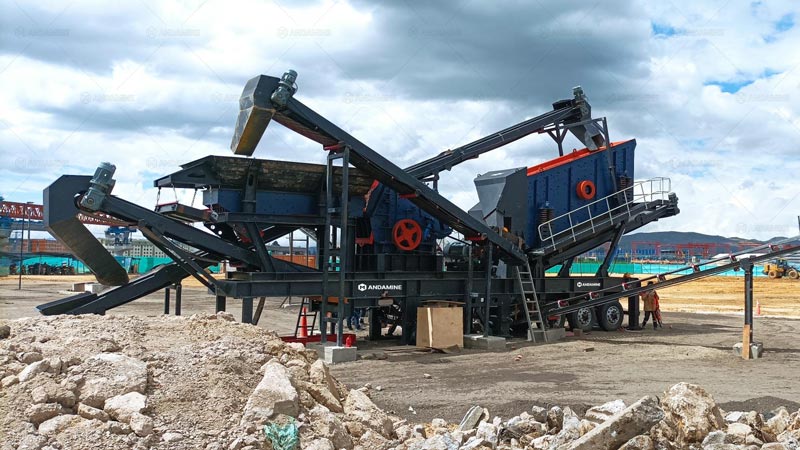
Stone Crusher Plants for Sale
When considering the purchase of a stone crusher plant, it is important to evaluate available options carefully. Stone crusher plants vary in size, capacity, and features. Selecting the right equipment depends on your production requirements, material types, and project scale.
Purchase Options
- New Equipment: Buying a new stone crusher plant ensures the latest technology, improved efficiency, and longer lifespan. New plants often come with warranties, technical support, and customization options for specific project needs, although they may involve a higher stone crusher price(chancadora de piedra precio).
- Used Equipment: Purchasing used plants can be cost-effective, but it is essential to verify the condition and remaining service life of the equipment. Working with trusted suppliers and performing thorough inspections ensures reliable performance and long-term operational efficiency.
Choosing the Right Supplier
Selecting a reliable supplier is crucial to ensure your stone crusher plant performs as expected. A reputable supplier provides quality equipment, technical support, and after-sales service. Consider factors such as supplier reputation, references, and warranty terms to ensure a smooth investment. For projects in Chile or other Latin American countries, working with suppliers familiar with local regulations and terrain conditions can simplify installation, operation, and maintenance.
Conclusion
A stone crusher plant is an essential investment for mining and construction projects, providing efficient material processing, high-quality aggregates, and cost savings. Mobile stone crusher plants and stationary aggregate crusher plants offer flexibility to meet diverse project needs. By carefully evaluating production requirements, machine durability, supplier reliability, and stone crusher price, contractors can select the right plant for their operations. The right investment ensures improved efficiency, reduced costs, and sustainable resource management, making a stone crusher plant a valuable asset for mining and construction projects in Latin America.